
Algarve Route from Huelva
A journey between borders by motorhomeWhether by car, motorhome or camper, if you like to cross borders, this route is for you, as you will not only get to know the beautiful Costa de la Luz, but also the enchanting landscapes of the Algarve.
Discover the coastal campsites overlooking the sea, the magnificent crystal clear waters of southern Portugal and enjoy the wide range of leisure and water sports on offer, making this route the ultimate summer getaway.
On the Algarve route from Huelva, you will find our recommendations for campsites with all the comforts you need on your trip.

The Algarve route from Huelva allows you to discover..:
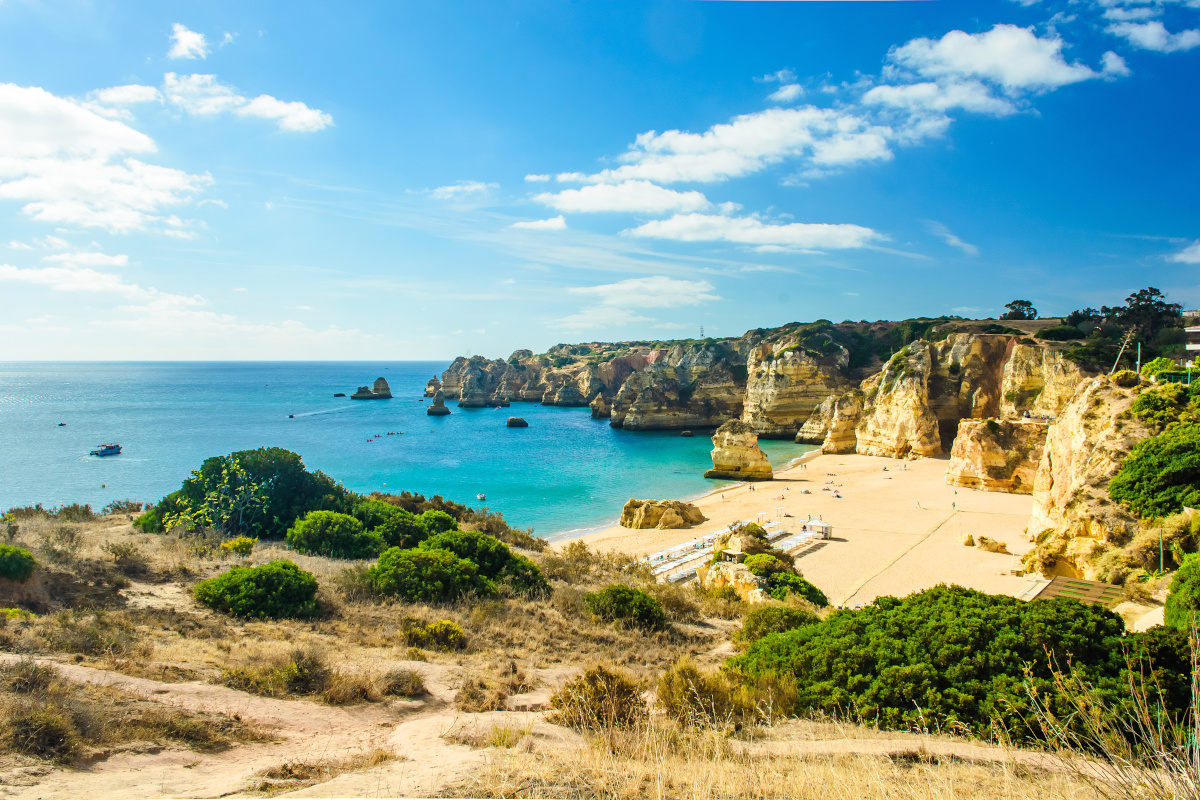
... the most emblematic beaches of the Algarve coast.
... the city from which Christopher Columbus set out on his first voyage.
... the natural beauty of the marshes of Isla Cristina.
... fishing villages, their harbours and gastronomy.
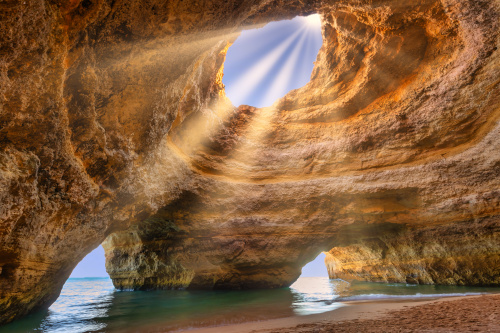
... amazing caves and paths with panoramic views.
Type of route: Tourist route
Themes: Beaches, Water sports, Hiking, Gastronomy, Nature.
Start / Finish: Huelva (Spain) / Lagos (Portugal)
Length: depending on variant 243 km
States / Provinces: Huelva, Algarve
Holiday regions: Huelva, Aracena, Isla Cristina, Tavira, Faro, Olhao, Albufeira, Carvoeiro, Lagos


Highlights of the Algarve Route from Huelva
Huelva
On this first stage we will visit the city of Huelva, the town of Aracena and Isla Cristina.
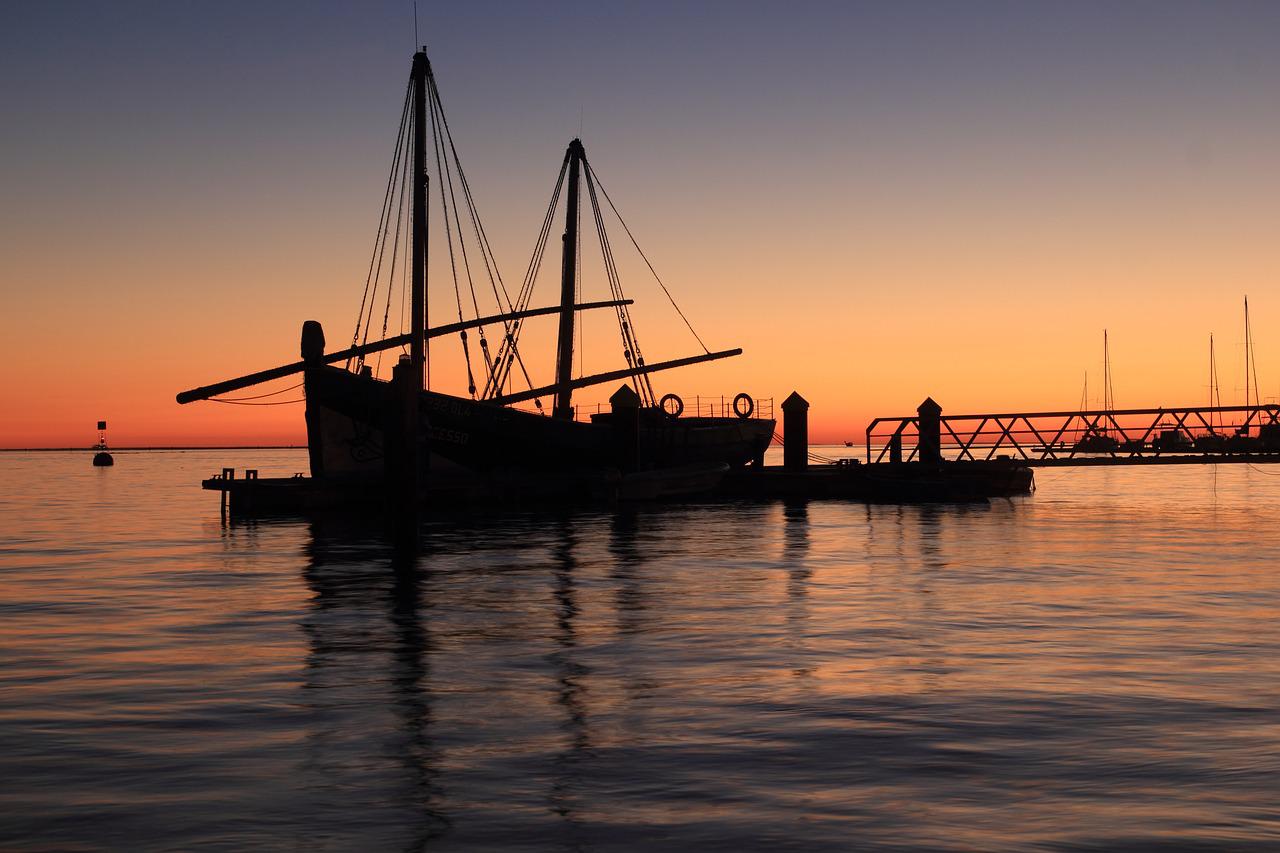
In the city of Huelva you can enjoy the sunset at the Muelle del Tinto, a landmark of the city, stroll through the streets of the city centre, visit the Carabelas port and the Doñana National Park.
The Huelva coast has much to offer, such as the Los Enebrales natural area, which has a cycle path and is ideal for a relaxing walk in the fresh air. Not forgetting the wonderful local gastronomy, rich in fresh seafood and products such as Aracena honey or Condado wines.
For overnight stays, the Giralda campsite in Isla Cristina is a good choice, with pitches for motorhomes and caravans, as well as bungalows and tents already prepared for camping.
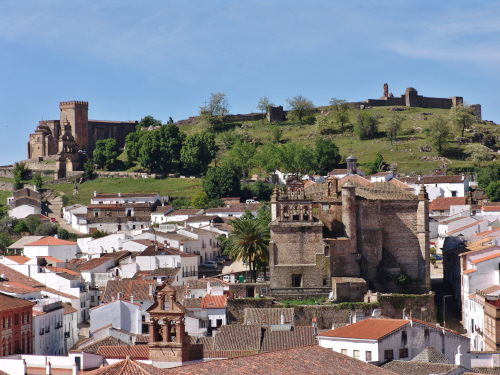
An hour away from the campsite is a natural wonder, the Gruta de las Maravillas, a karst cave more than 2,000 metres long, located under the town of Aracena. Here you can take part in various guided tours to see the cave, the castle of Aracena and the ham museum.


Isla Cristina
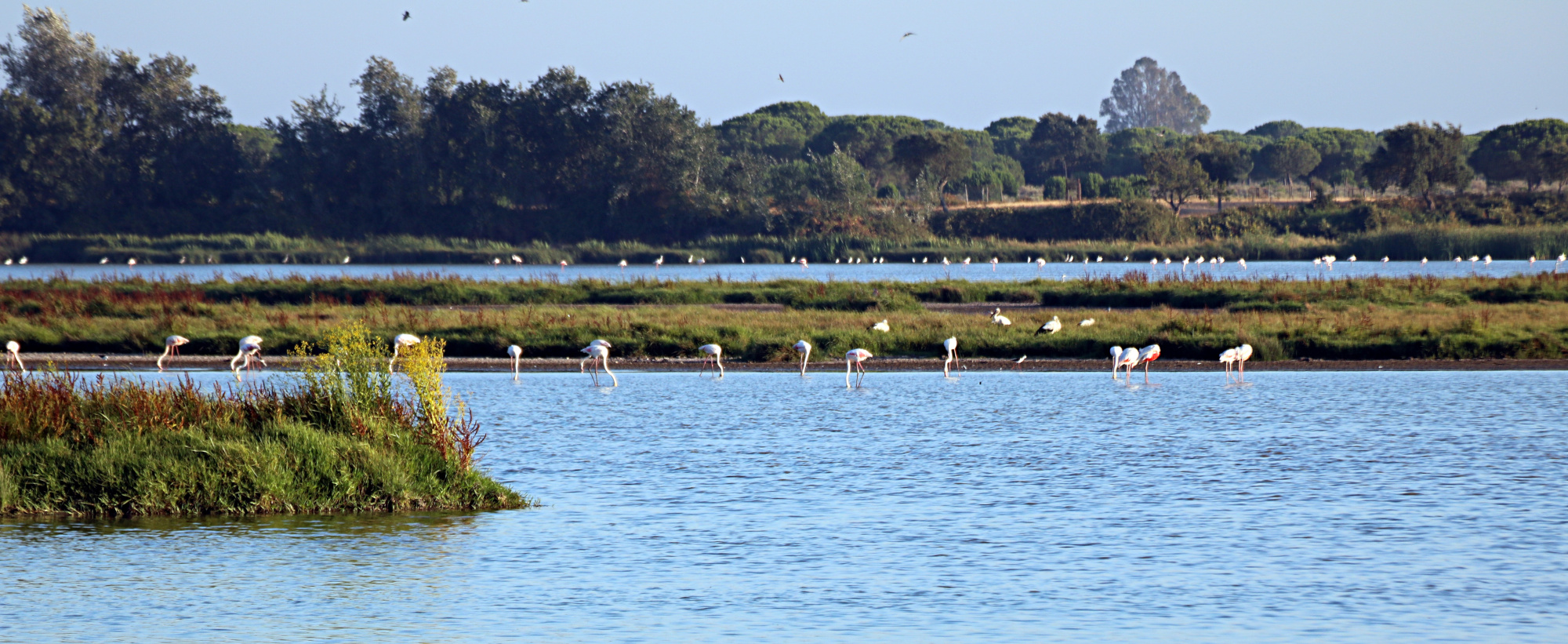
Isla Cristina offers many activities such as boat trips on the nearby marshes or guided tours where you can easily get away from the hustle and bustle of the city while exploring the incredible landscape full of beautiful migratory birds.
Surfing lessons for beginners and other water sports are also available on the island's golden coast. The beaches in the area invite you to take kilometres of walks along the sandy beaches and seafront to enjoy the delights of the Huelva coast.
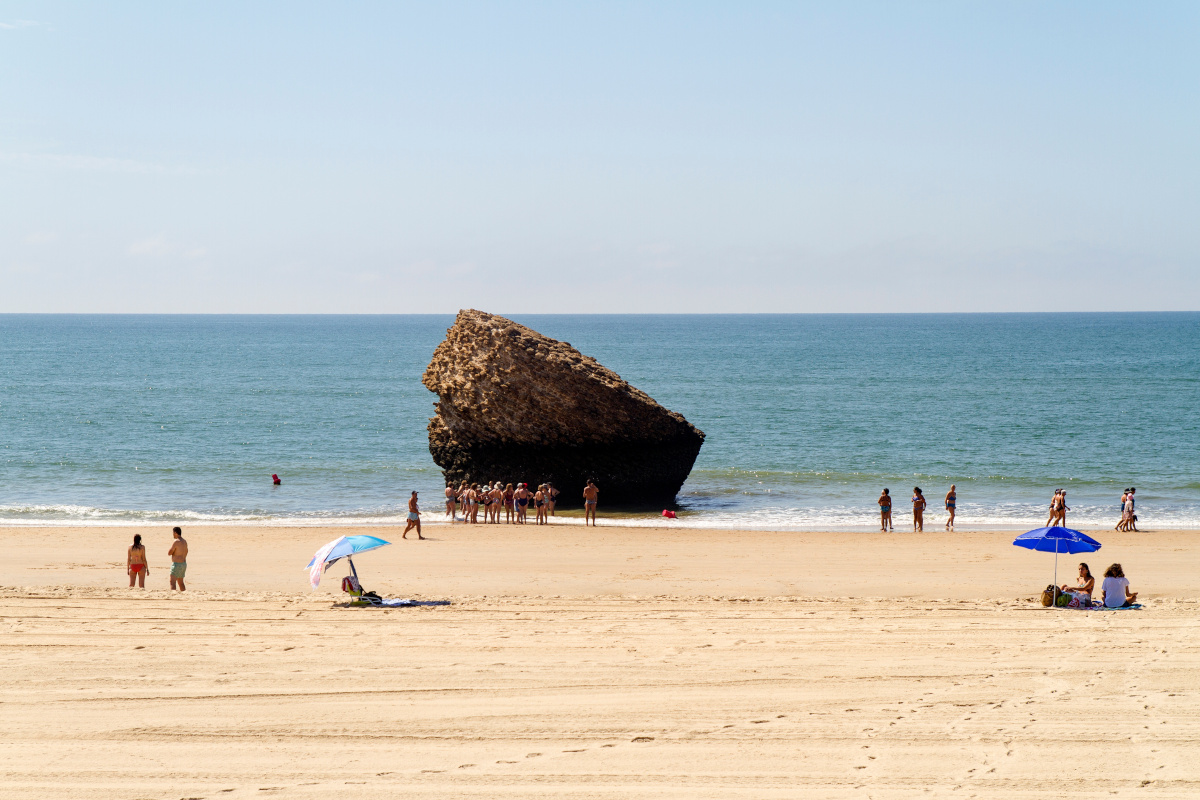
Some of the most beautiful beaches in Huelva are La Bota beach, Punta Umbria beach, Castilla beach and Islantilla beach.
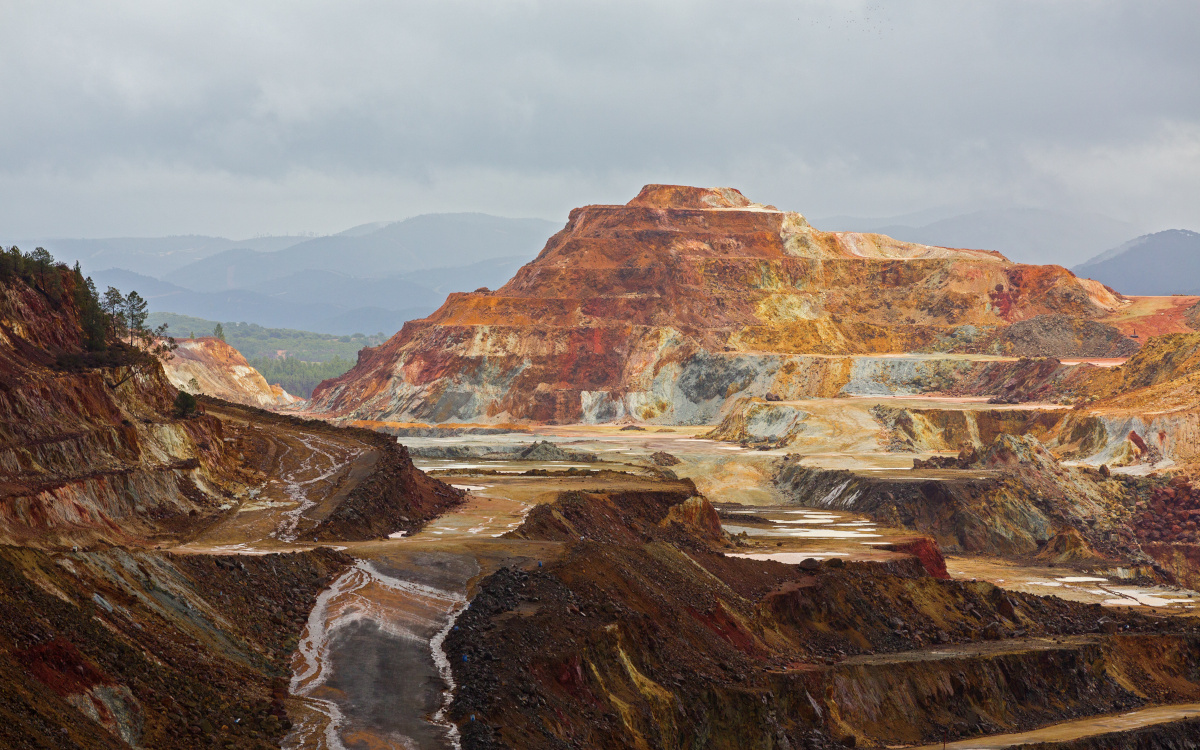
Finally, you can't visit Huelva without visiting the Río Tinto Mining Park, a historic mining park whose landscapes make you travel from Earth to Mars.

Tavira
From Huelva, we continue our route towards the Algarve, driving to Tavira and stopping at the Praia da Alagoa car park, which is right next to Praia Verde. This beach not only offers an extensive sandy beach with numerous sun loungers and restaurants overlooking the sea, but is also our first stop on Portuguese soil. The second is the town of Tavira, where a pleasant walk through the old town awaits us.
In Tavira, you can use your time to explore the island and its paradisiacal beaches, or spend a day in the city visiting Republic Square, the Church of Santa Maria do Castelo and Tavira Castle. If you dare, you can take a hike to Pego do Inferno, a waterfall that flows into a small natural basin a few kilometres from the city.
From Tavira, we head to Olhao, where we recommend parking at the Olhao campsite, which has free, shaded pitches, a swimming pool, Wi-Fi, a paddle tennis court and other services.


Olhao
Olhao, like most of the Algarve's fishing ports, offers an exquisite variety of seafood and fish that can be sampled at the town's market.
The town's promenade is a pleasant walk where you can see the typical houses of the Algarve, some of which are square in shape and others covered in tiles.
If you want to visit the beaches of Armona, Fuseta and Dos Cavatos from Olhao, you can reach them by boat taxi. Another good option for the afternoon is a cruise to the Ria Formosa Natural Park.

Faro
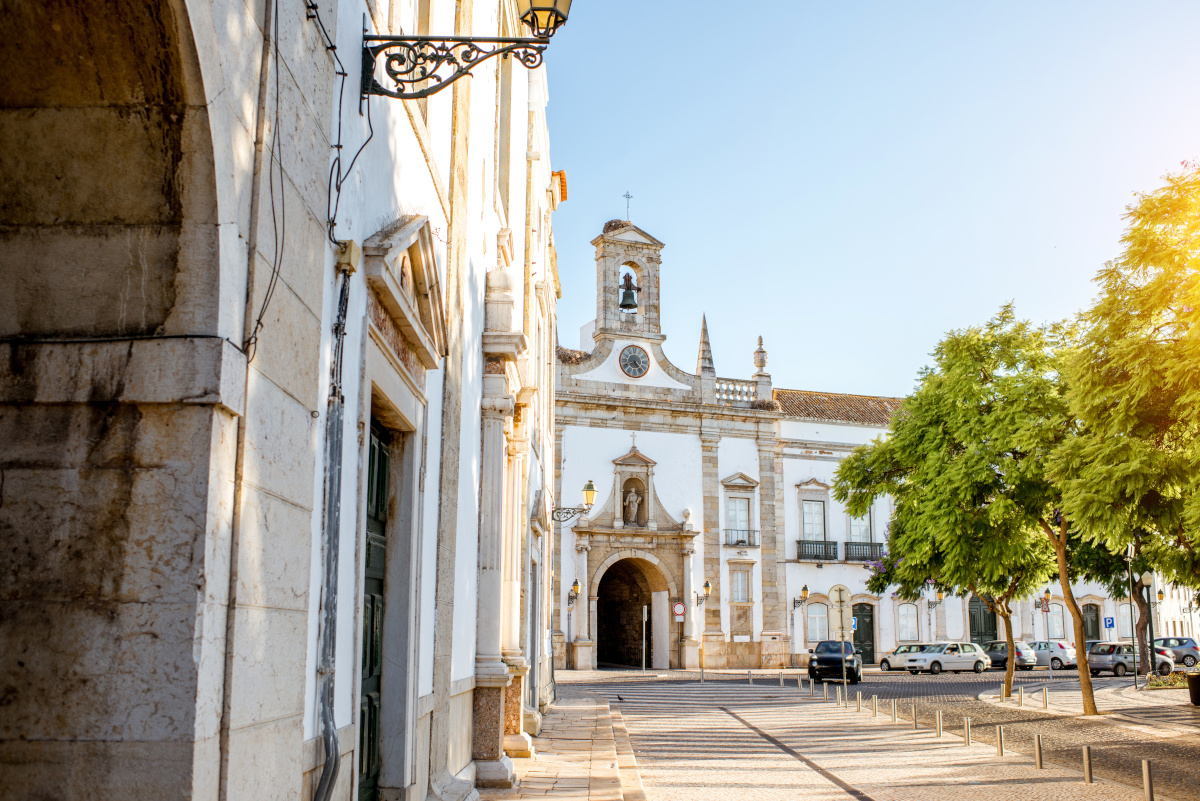
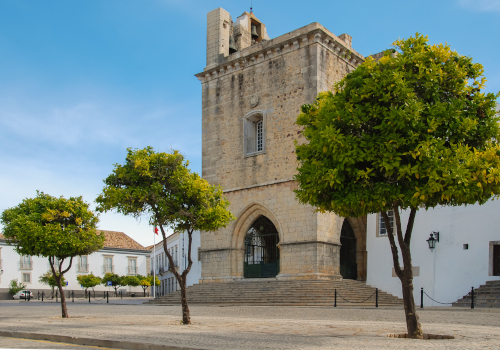
From Olhao, continue to Faro, which has an international airport and several cultural attractions, such as the Chapel of the Bones in the Church of Carmen, the Palacio de Estoi Hotel, the Municipal Museum, the Arch of Repouso and Faro Cathedral.
If you want to take a break from the beach and do something different, you can also visit the Forum Algarve in Faro, a shopping centre with a wide range of shops and restaurants.
In Faro, there are several boat trips to the Benagil Cave - one of the most important natural monuments in the Algarve - and to Deserta Island.

Albufeira
We continue our journey to the town of Albufeira, described by some as the heart of the Algarve, which has much more to offer than just beaches.
In the historic centre of the city, you can visit the Church of Sant'Ana, Paderne Castle, the Museum of Sacred Art, the Royal Court Gallery and the Archaeological Museum.
For the more sporty, Albufeira offers a wide range of outdoor activities such as kayaking in the caves where you can explore the rock formations up close, snorkelling off the coast, horse riding on the beach, jet skiing, windsurfing and much more.
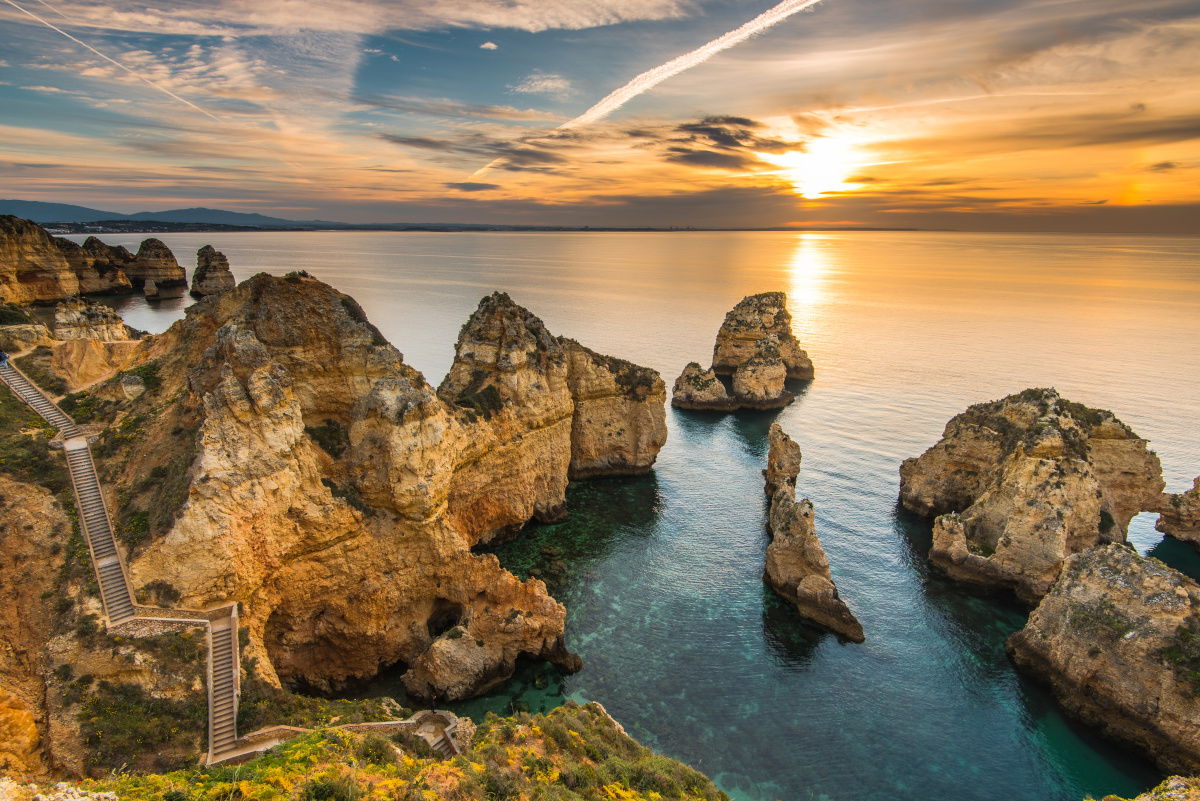
Of the most visited places in the Algarve, Albufeira and Lagos are home to the most famous beaches on the coast. These include Marina beach, Caballo beach and Praia da Luz beach.
A popular walking route is the Seven Valleys route, where you can enjoy panoramic views of the Atlantic Ocean as you walk along the cliffs.


Silves - Carvoeiro
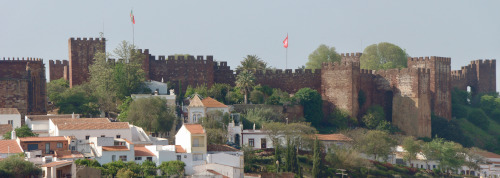
Half an hour from Albufeira you can visit Silves Castle, one of the best examples of Moorish architecture in Portugal. A quarter of an hour's walk from the castle you will find a camper van site with showers, electricity and ample parking.
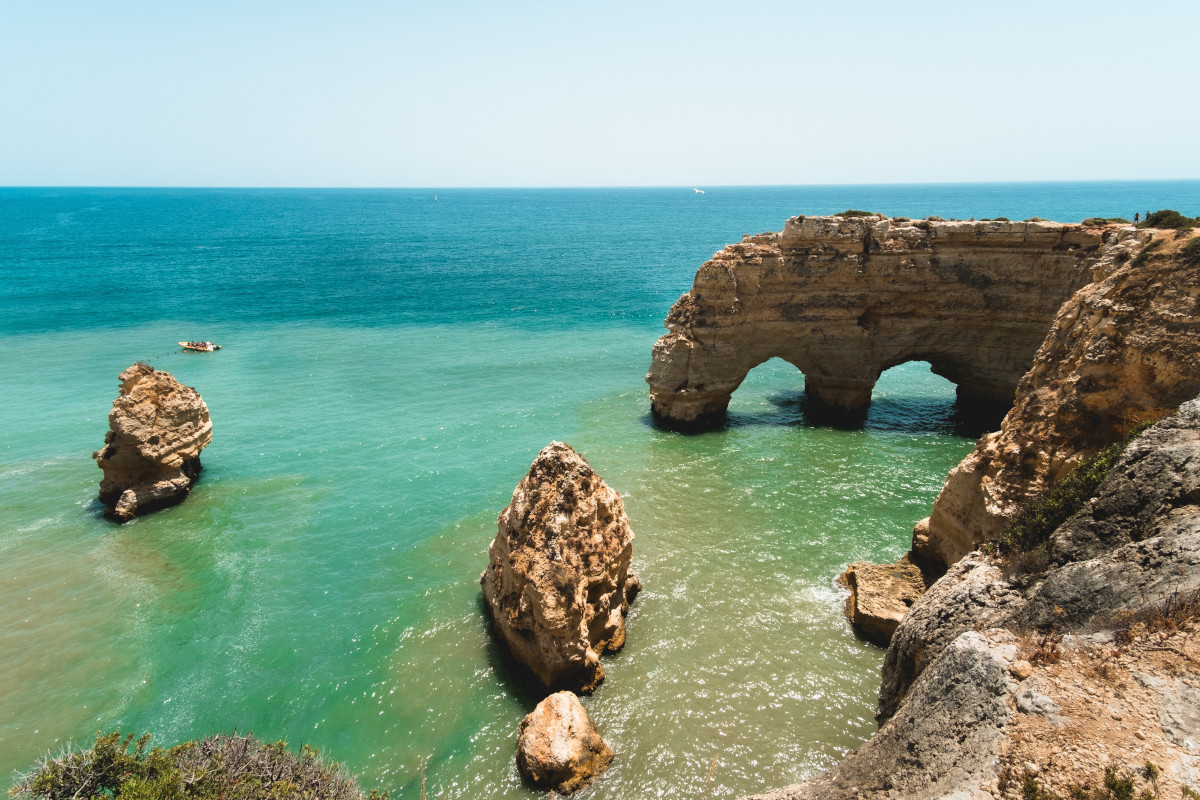
From Silves, down towards the village of Carvoeiro, you can spend a leisurely afternoon walking along the promenade built on the cliffs, from where you have a fantastic view. Carvoeiro is a small, picturesque village, ideal for spending a pleasant afternoon, eating in a restaurant and visiting the small beach or the caves of Algar Seco, one of the most visited places in the Algarve.

Lagos
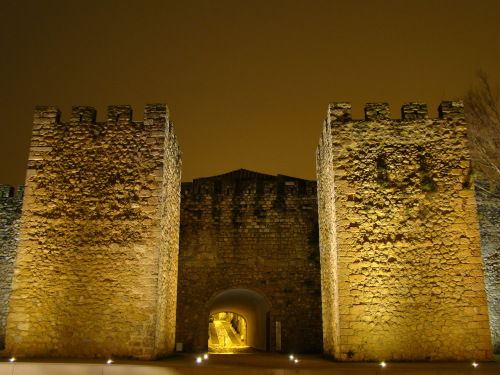
Our last stop on this route is Lagos, a city that perfectly combines its important historical heritage with magnificent natural landscapes. The city centre has a great medieval charm thanks to its walls, baroque churches and historic centre.
We recommend a visit to the Ponta da Bandeira Fortress, the Lagos Walls, the Church of San António and the San Gonzalo Gate. The beaches of Lagos and Sagres are ideal for surfing and windsurfing, as it is a windy area.
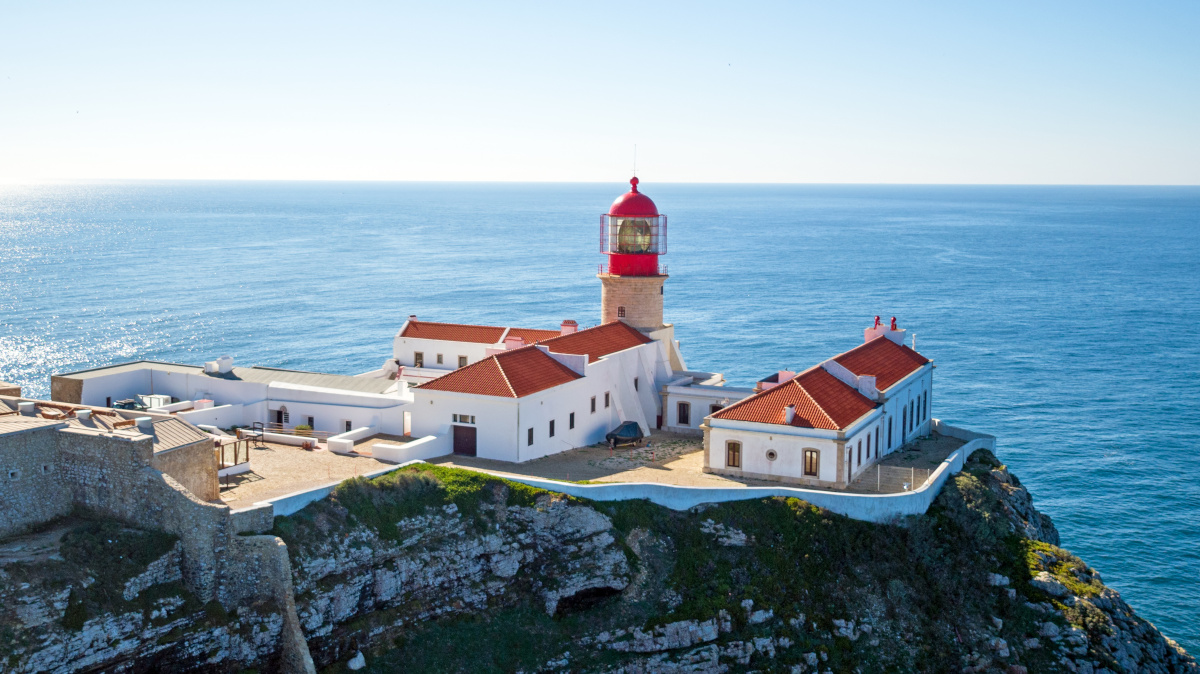
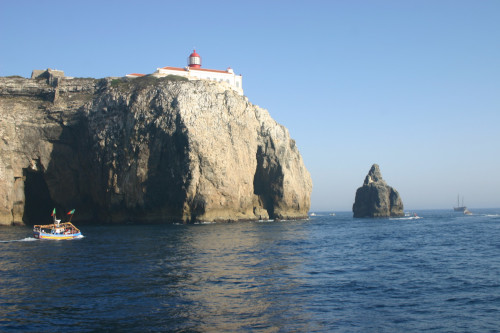
If you decide to visit Sagres as well, you can head to Cape St Vincent and spend the afternoon enjoying the stunning cliff views. Among the many activities you can do in Lagos are boat trips to see the dolphins, a walk along the Lagos marina or hiking in the Monchique mountain range.


Route guidance with parking space information
You can find the map of the Algarve route from Huelva with its points of interest in our "Route Map" section.


